
Testosterone Therapy
How Long Does Testosterone Take to Work? (2026) Guide

Aug
Testosterone Replacement Therapy (TRT) is a well-known treatment for men with low testosterone levels. It aims to restore hormone balance and improve both physical and mental health. One of the most common questions among men considering or beginning TRT is: how long does testosterone take to work? The answer is multifaceted and depends on several factors including the delivery method, dosage, individual metabolism, and lifestyle.
A frequently asked question is, ‘Can I take testosterone safely?’ When prescribed and monitored by a healthcare provider, testosterone therapy is generally safe. Medical supervision helps reduce TRT risks and ensures the best outcomes.
Understanding how long does testosterone take to work helps set realistic expectations before starting TRT.
This article explains how long does testosterone take to work in real-world TRT timelines.
Understanding TRT Therapy and Its Importance
Testosterone is a key male sex hormone responsible for maintaining muscle mass, bone density, libido, mood, and overall vitality. As men get older or have medical issues like hypogonadism, testosterone levels can drop a lot. This can cause symptoms such as tiredness, lower sexual desire, muscle weakness, depression, and problems with thinking.
TRT therapy adds testosterone to the body. This helps bring hormone levels back to normal. It can reduce symptoms and improve overall health. This therapy is medically supervised to ensure safety and effectiveness.
For a clear look at testosterone and TRT basics, visit the Mayo Clinic’s Testosterone Therapy Overview.
A key question patients ask is how long does testosterone take to work when using injectable esters like cypionate.
How Long Does Testosterone Take to Work? Testosterone Timeline Explained
This section breaks down how long does testosterone take to work in simple stages.
Immediate to One Week: First Early Effects
How long testosterone takes to work depends on factors like dosage, injection type, and your body’s natural hormone levels.
In the first few days to one week, most changes are subtle and related to mood and brain function rather than physical appearance.
| Timeframe | Expected Effects | Notes |
|---|---|---|
| Immediate–1 week | Improved mood, energy, focus | Brain chemistry effects |
| 1–4 weeks | Increased libido, better sleep, strength | Supports overall mood and energy |
| 1–3 months | Muscle gain, fat loss, skin and hair changes | Physical transformation begins |
| 3–6+ months | Stabilized levels, sustained libido, bone density | Long-term health benefits |
Understanding how long does testosterone take to work helps set realistic expectations for TRT results.
Overall, how long does testosterone take to work depends on the individual, dosage, and delivery method.
Many patients ask, how long does testosterone take to work? The answer varies by delivery method and individual factors.
Many men notice better mood, more energy, and clearer thinking within the first week of starting TRT. Some notice a subtle increase in libido and reduced feelings of fatigue. These initial changes are due to testosterone’s rapid influence on neurotransmitters and brain chemistry.
Physical changes such as muscle growth or fat loss take longer and require consistent therapy over weeks to months.
One to Four Weeks: Noticeable Improvements
Between one and four weeks, many men experience enhanced sexual function and increased libido. Sleep quality often improves, which further supports mood and energy gains.
Initial strength gains and improved exercise recovery may begin during this period. Cognitive benefits like better focus and motivation also become more evident.
One to Three Months: Physical Transformations Begin
The one- to three-month mark is when physical benefits start to become significant:
- Muscle mass increases due to enhanced protein synthesis.
- Fat mass, especially visceral fat, begins to decrease.
- Skin texture may improve, and some men observe increased hair growth.
- Bone density starts to improve, reducing fracture risk over time.
This phase also solidifies mental health improvements such as reduced anxiety and depression symptoms.
Three to Six Months and Beyond: Long-Term Benefits
With ongoing TRT beyond three months:
- Testosterone levels stabilize in the blood.
- Muscle strength and endurance continue to improve.
- Libido and sexual performance sustain their enhancements.
- Bone density continues to increase, improving skeletal health.
- Quality of life often improves significantly with sustained energy, better mood, and enhanced cognitive function.
How Long Does Testosterone Cypionate Take to Work?
Understanding how long does testosterone take to work is especially important for injectable forms like cypionate.
Many patients specifically ask how long does testosterone cypionate take to work after starting TRT.
Testosterone cypionate does not work instantly, but it begins affecting hormone levels shortly after injection.
- 24–72 hours: hormone activity starts in the body
- 1–3 weeks: noticeable improvements in energy, mood, and libido
- 4–8 weeks: full TRT effects begin to develop
- 8–12 weeks: stable and consistent results
Why Testosterone Takes Time to Work
Testosterone does not work immediately because the body needs time to adjust hormone levels.
- Blood levels need to stabilize
- Receptors in the body need time to respond
- Changes in muscle, fat, and mood happen gradually
Different Testosterone Delivery Methods and Their Effectiveness Timeline
The speed and consistency of Testosterone benefits depend heavily on the delivery method chosen.
How Fast Do You Feel Testosterone Injections?
After starting testosterone injections, effects appear gradually over time:
- 1–2 weeks: improved mood, energy, and motivation
- 1–3 weeks: increased libido and better sleep
- 4–8 weeks: noticeable physical changes such as strength and body composition improvements
What Affects How Fast Testosterone Works?
- injection type (cypionate, enanthate)
- dosage
- frequency of injections
- age
- body fat
- baseline testosterone levels
Forms of Testosterone: Choosing the Right Method for You
There are multiple forms of testosterone available in therapy, including injections, gels, patches, and pellets. Each form has unique advantages, absorption rates, and convenience factors to consider when starting TRT. Different forms affect how long testosterone takes to work.
Testosterone Injections
Testosterone injections (such as cypionate or enanthate) are absorbed slowly and release testosterone over time.
- 24–72 hours: hormone levels begin rising in the body
- 1–3 weeks: early improvements in energy, mood, and libido
- 4–8 weeks: stronger and more noticeable TRT effects
Injecting into muscle allows a slow release into the bloodstream, which is why results take time.
Where to Inject Testosterone Injections
Knowing where to inject testosterone is important for safety and effectiveness. The most common injection sites are:
- Gluteus muscle (buttocks) — This is the most common site. It is usually the upper outer area to avoid nerves and blood vessels.
- Thigh muscle (vastus lateralis) — The outer middle part of your thigh, easy to reach yourself.
- Deltoid muscle (upper arm) — This site is less commonly used but works well for smaller injection volumes.
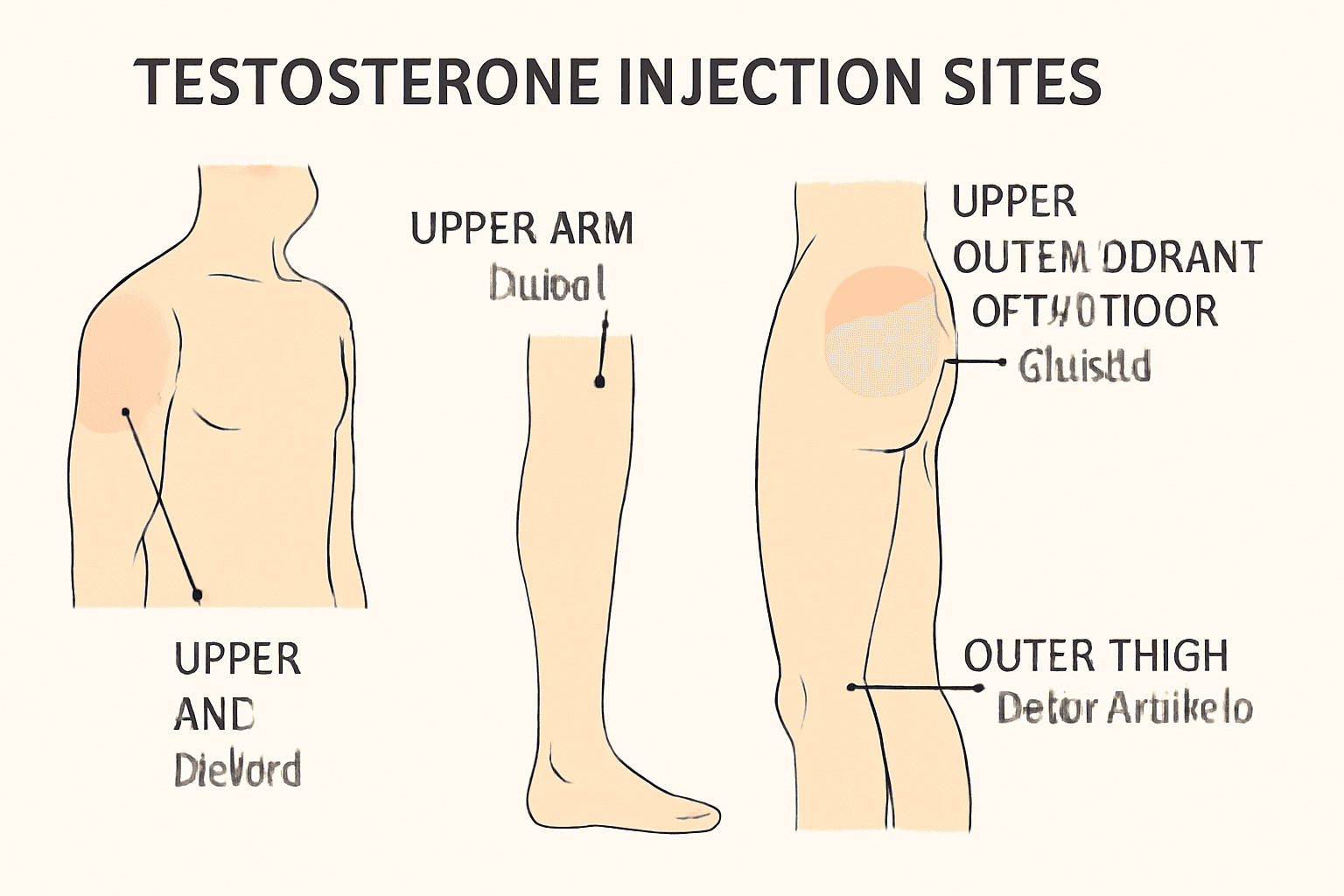
Injecting into these muscles ensures the testosterone is absorbed properly and reduces pain or complications. Always use clean technique and rotate sites to avoid soreness.
Popular injectable esters include testosterone cypionate and enanthate. For more on injections, see Harley Street Medical Group’s Nebido Information.
Testosterone Gels and Creams
Topical gels and creams deliver testosterone through the skin daily. These methods provide:
- More stable blood testosterone levels.
- Slower onset, with effects often starting after 1-2 weeks.
- Risk of accidental transfer to others if not applied carefully.
Testosterone Pellets
Implanted pellets release testosterone over months:
- Effects start gradually, typically after 1-2 weeks.
- Pellets last from 3 to 6 months, reducing dosing frequency.
- Require minor surgery for implantation.
Testosterone Patches
Patches provide daily steady hormone release with:
- Effects noticeable within 1-2 weeks.
- Skin irritation risks at the application site.
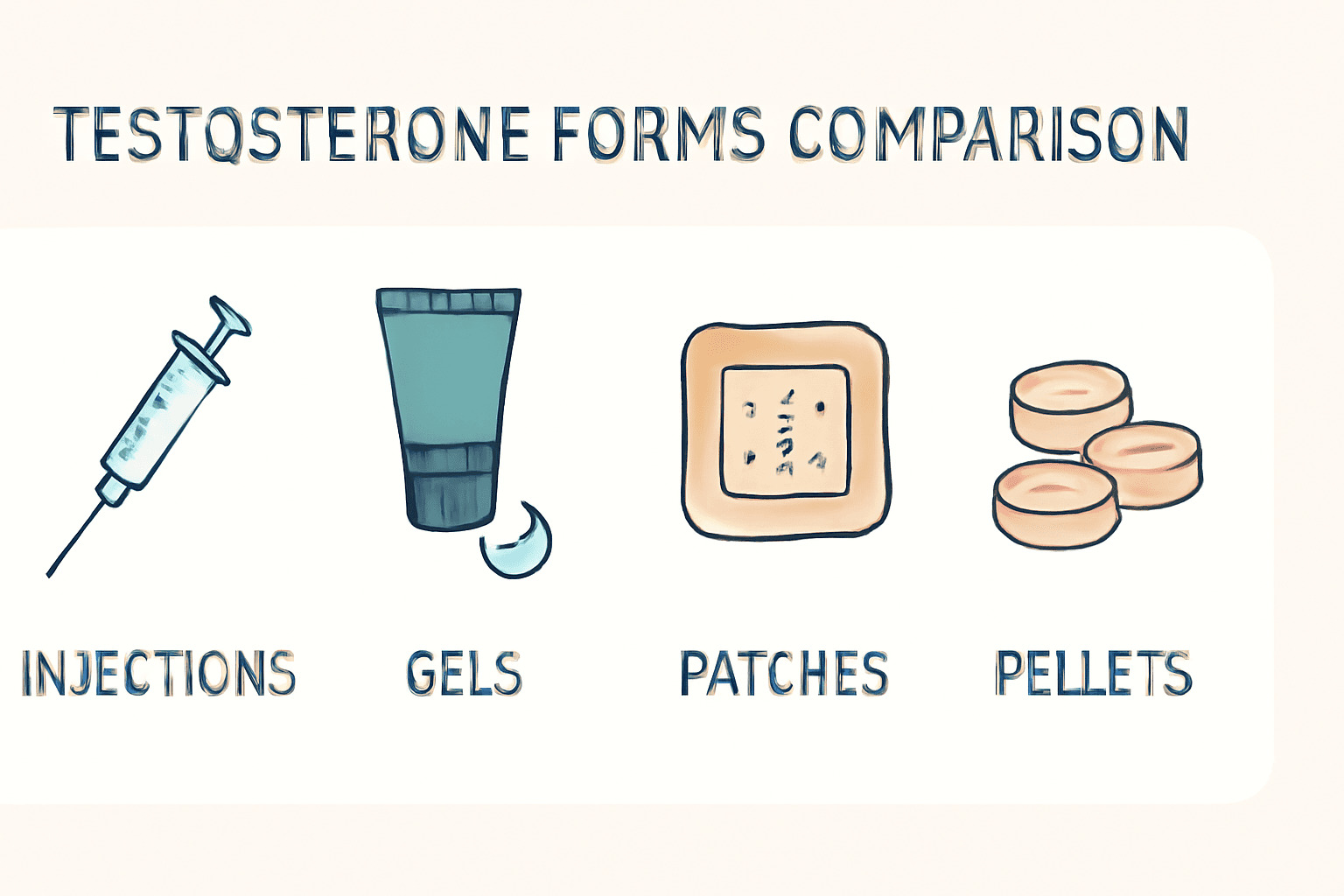
For a full delivery methods comparison, visit our guide on TRT Delivery Options.
Anabolic Steroids vs Testosterone Replacement Therapy
Many confuse anabolic steroids with TRT. TRT aims to bring testosterone levels back to normal. In contrast, anabolic steroids use higher doses for muscle building. This can increase health risks.
Factors Influencing How Quickly Testosterone Works
Understanding these variables helps predict how long testosterone takes to work for each person. Several factors influence how long testosterone takes to work, including metabolism, dosage, and underlying health conditions.
While timelines offer general guidance, individual experiences vary widely due to:
- Age: Younger men tend to respond faster.
- Baseline testosterone: Lower levels may see more dramatic changes.
- Dosage and frequency: Proper dosing avoids fluctuations and side effects.
- Lifestyle: Nutrition, exercise, sleep, and stress management are crucial.
- Metabolism and genetics: Affect how testosterone is absorbed and utilized.
The National Institutes of Health’s research provides clinical insight into these variables.
Potential Testosterone Side Effects and Increased Risk
While TRT has many benefits, patients should know about possible TRT risks. These include mood swings, acne, and heart problems. TRT is generally safe under medical supervision, but awareness of possible side effects is important.
Certain medical conditions, such as diabetes or thyroid disorders, can affect how long testosterone takes to work and influence therapy outcomes.
For people who have used anabolic steroids, post cycle therapy (PCT) is important. It helps the body start making natural testosterone again. PCT minimizes side effects and supports hormonal balance after completing a steroid cycle. Men with heart disease should be watched closely during TRT. Testosterone therapy can raise heart risks in some cases.
Common Side Effects
- Acne and oily skin.
- Fluid retention.
- Mood swings or irritability.
- Increased red blood cell count (polycythemia).
Serious Risks
- Cardiovascular complications in predisposed men.
- Possible stimulation of prostate growth or cancer progression.
- Worsening sleep apnea.
Regular monitoring through blood tests and doctor visits minimizes these risks. Refer to the Endocrine Society’s TRT Safety Guidelines for detailed recommendations.
How Long Does Testosterone Stay in Your System?
Understanding testosterone clearance is vital, especially for those undergoing drug testing or concerned about side effects.
- Injectable testosterone esters remain detectable for approximately 2-3 weeks.
- Gels and patches clear within 24-48 hours.
- Pellets provide hormone release for 3-6 months.
Maximizing Your Quality of Life While on Testosterone
TRT’s benefits extend beyond physical changes, enhancing overall quality of life:
- Improved mood and reduced depression.
- Increased sexual health and satisfaction.
- Better cognitive function and motivation.
- Enhanced energy and physical performance.
Supporting TRT with proper nutrition, resistance training, adequate sleep, and stress management amplifies these effects.
Product Links to Support Your Testosterone Journey
To complement your therapy, explore these trusted products:
- TRT Support Supplements to enhance hormone health naturally.
- If you want to boost testosterone naturally, there are other ways to do it. You can read our article on peptides for testosterone here.
Below are answers to common questions about how long does testosterone take to work.
Frequently Asked Questions (FAQ)
How long does trt take to work?
Mood and energy improvements can occur within days, but physical changes generally require several weeks to months.
How long does testosterone take to work?
Most men begin to notice improvements in mood and energy within the first week. However, changes in your body, like gaining muscle and losing fat, usually take a few weeks to a few months to show. Consistency with treatment is key.
How long do testosterone injections take to work?
Injections typically peak at around 48 hours, with cumulative benefits over time.
What are common testosterone side effects?
These include acne, fluid retention, mood swings, and increased red blood cells.
How long does testosterone stay in your system?
Injectables last 2-3 weeks; gels and patches clear faster; pellets release hormone over months.
Can testosterone improve quality of life?
Yes, many men experience significant improvements in mood, energy, libido, and cognition.
Is testosterone safe?
Under medical supervision with regular monitoring, TRT is generally safe.
How long does testosterone cypionate take to work?
Most men notice early effects within 1–3 weeks, with full results in 4–8 weeks.
How fast do testosterone injections work?
Hormone levels begin rising within 24–72 hours, but visible effects take several weeks.
How long does TRT take to work?
Energy and mood improve in 1–2 weeks, while physical changes take 4–12 weeks.
Now that you understand how long does testosterone take to work, you can set realistic expectations for TRT results.
Conclusion
Understanding how long does testosterone take to work helps set realistic expectations and encourages adherence to therapy. Results depend on delivery methods, dosage, individual factors, and lifestyle.
Now you know exactly how long testosterone takes to work and what to expect from your TRT journey.
Work closely with your healthcare provider. Keep track of your progress. Adopt a healthy lifestyle. This will help you get the most from TRT for better health and quality of life.

Pingback: Anavar vs Winstrol: 7 Powerful Differences| Valkyrie Pharma