Peptide Therapy, Testosterone Therapy
Peptides for Weight Loss: How Semaglutide, Tirzepatide Work
Apr
Peptides for Weight Loss: Complete Guide
Peptides for weight loss are becoming popular because they help control appetite, improve metabolism, and support fat burning. Peptides are chains of amino acids, and amino acids are the building blocks of proteins in the body. Some peptides act like signals that tell the body how to control hunger, metabolism, and fat storage.
In modern medicine, weight loss peptides are mainly prescription drugs. They help people with overweight or obesity lose weight safely and in a controlled way.
The most important group is called glucagon like peptide-1 (GLP-1) receptor agonists, which are widely used in clinical treatment.
These medicines help regulate:
- Appetite
- Blood sugar
- Fat storage
- Energy use
Peptide therapy for weight loss is often combined with hormone support strategies. You can learn more in our Peptides for Testosterone Guide.
How Peptides for Weight Loss Work
Understanding how peptides work for weight loss is simple. They do NOT burn fat like stimulants. Instead, they change how the body controls hunger and digestion.
Main mechanisms:
1. Reducing appetite
Peptides help with appetite regulation by sending signals to the brain that you are full. This leads to suppressed appetite and lower calorie intake.
2. Slowing digestion
Food stays longer in the stomach, which increases fullness and reduces cravings.
3. Improving insulin resistance
Better insulin response reduces fat storage and supports steady energy.
4. Fat usage
The body begins to use stored fat for energy more efficiently, leading to gradual fat loss.
Peptides also support hormone balance and metabolism. Read more in our Muscle & Hormone Optimization Article.
Medical Supervision and Safety
Peptides for weight loss should always be used under medical supervision. These treatments affect hormones, appetite, and metabolism, so they are not suitable for self-use without guidance.
Doctors review your medical history before starting treatment. This includes checking for conditions like diabetes, thyroid issues, insulin resistance, and other health risks. Blood tests may also be used to guide safe treatment.
Common side effects can include nausea, constipation, tiredness, headache, and mild stomach discomfort. These effects are usually temporary but should still be monitored by a healthcare professional.
Peptides such as semaglutide, tirzepatide, and liraglutide are prescription medications. They should only be used when prescribed and monitored by a doctor.
Avoid unregulated or fake peptides sold online, as they may contain incorrect doses or unsafe ingredients.
Medical supervision helps ensure treatment is safe, effective, and adjusted properly for each individual.
Who Should Use Peptides for Weight Loss
Peptides for weight loss may be suitable for people who are struggling to lose weight through diet and exercise alone.
They are most often considered for:
- People with overweight or obesity
- People with insulin resistance
- People with high body mass index (BMI)
- People who have difficulty controlling appetite
- People who have weight-related health conditions
These treatments are usually prescribed when lifestyle changes alone have not been effective enough.
Peptides are not meant for cosmetic weight loss or casual use. They are medical treatments that should only be used under the supervision of a healthcare professional.
A doctor will review your medical history before treatment starts. This helps ensure it is safe and right for you.

Main Peptides for Weight Loss
1. GLP-1 Receptor Agonists (Most effective group)
These are the most researched prescription weight loss peptides.
They include:
- Semaglutide weight loss (Wegovy, Ozempic)
- Liraglutide Saxenda (Saxenda, Victoza)
- Tirzepatide weight loss (Zepbound, Mounjaro)
These drugs mimic a natural hormone called GLP-1, which controls appetite and digestion.
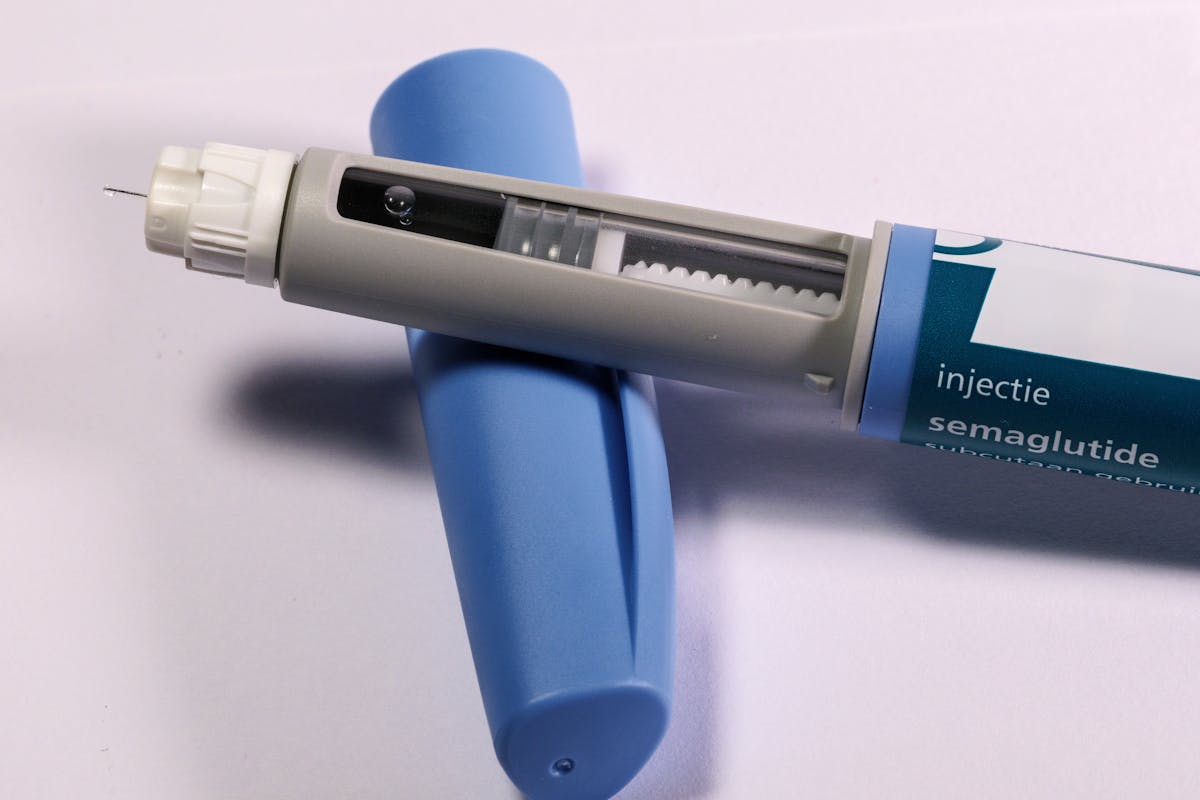
How semaglutide works for weight loss
Semaglutide helps reduce hunger, slows digestion, and improves blood sugar control. It is one of the most effective approved for weight loss medications.
clinical study on GLP-1 effectiveness
Tirzepatide results weight loss study
Tirzepatide works on two hormones (GLP-1 and GIP). Studies show it can lead to very strong fat loss results.
FDA information FDA weight loss medication guidance
GLP-1 weight loss results (summary table)
| Drug | Average Weight Loss |
|---|---|
| Semaglutide | 10–15% body weight |
| Liraglutide Saxenda | 5–10% body weight |
| Tirzepatide | up to 20%+ body weight |
Losing 10–15% of body weight means a person weighing 100 kg could lose about 10–15 kg over time. This may happen with GLP-1-based treatment and proper lifestyle support.
Clinical studies show that GLP-1 receptor agonists can cause lasting, significant weight loss. This is more likely when combined with lifestyle changes.
clinical study on GLP-1 effectiveness
2. AOD-9604 fat loss peptide
AOD-9604 fat loss is a fragment of growth hormone.
It may:
- Support fat breakdown
- Target stubborn fat areas
- Avoid strong blood sugar effects
It is not fully approved for weight loss but is studied in research and off-label use.
3. Tesamorelin belly fat treatment
Tesamorelin belly fat reduction works by stimulating natural growth hormone release.
Effects include:
- Reduction of visceral fat (deep belly fat)
- Improved metabolism
- Better body composition
It is FDA-approved for specific medical conditions but used off-label in fat reduction programs.
Peptide Therapy for Weight Loss
Peptide therapy for weight loss is a medical approach where doctors use peptides to help control appetite and metabolism.
It is often used for:
- People with high body mass index (BMI)
- People with insulin resistance
- People struggling with weight gain
It is NOT a cosmetic quick fix. It works best with diet and lifestyle changes.
Do Peptides Help with Weight Loss?
Yes, do peptides help with weight loss is a common question, and the answer is yes but only when medically supervised.
They help by:
- Reducing hunger
- Increasing fullness
- Improving fat metabolism
But they do NOT replace healthy habits.
Peptides are often compared to other performance compounds. If you want a full breakdown, read our Peptides vs SARMs Guide.
Comparison Table: Peptides vs Other Methods
| Method | Speed | Effort | Results |
|---|---|---|---|
| Diet only | Slow | High | Moderate |
| Exercise only | Slow | High | Moderate |
| Peptide injections for weight loss | Medium–Fast | Medium | High |
Are Peptides Safe for Weight Loss?
Are peptides safe for weight loss depends on usage.
When medically supervised, they are considered safe and effective, but side effects may occur.
Common side effects:
- Nausea
- Constipation
- Fatigue
- Headache
- Injection site reactions
Important risks:
- Fake products online
- Incorrect dosing
- Lack of supervision
Appetite Control Peptides and Fat Burning Peptides
Some peptides are known for:
Appetite control peptides:
- GLP-1 based drugs
- Reduce hunger signals
- Improve satiety
Fat burning peptides:
- AOD-9604
- Tesamorelin
- Growth hormone related peptides
These support fat loss but always require medical guidance.
Prescription Weight Loss Peptides
Most strong prescription weight loss peptides include:
- Semaglutide
- Tirzepatide
- Liraglutide Saxenda
These are only available through doctors because they affect hormones and metabolism.
Conclusion
Peptides for weight loss can support fat loss by controlling appetite, improving metabolism, and regulating hormones. The most effective options are GLP-1 receptor agonists such as semaglutide and tirzepatide.
However, these treatments are not magic solutions. They work best when combined with healthy eating, physical activity, and medical supervision.
Always consult a healthcare professional before starting peptide therapy to ensure safe and effective results.
FAQs
1. What are peptides for weight loss?
They are medicines that control appetite and metabolism.
2. Do peptides burn fat directly?
No, they reduce hunger and improve fat use.
3. What is the best peptide for weight loss?
Semaglutide and tirzepatide show the strongest results.
4. Are peptides safe?
Yes, under medical supervision.
5. Do I need a prescription?
Yes, most effective peptides require one.
6. How fast do results show?
Usually 4–12 weeks.
7. Can I stop peptides anytime?
Yes, but weight may return.
8. Are peptides and steroids the same?
No, they are completely different.
9. Do peptides build muscle?
Some help preserve muscle, but main use is fat loss.
10. Are fat burning peptides real?
Yes, but they work best with medical support.
Disclaimer
This article is for educational purposes only. It is not medical advice. Peptides for weight loss, including GLP-1 receptor agonists and other prescription treatments, should only be used under the supervision of a qualified healthcare professional. Always consult a doctor before starting any treatment.
